- GUIDE
- APPLICATION
HOW TO APPLY DESOLID.
The Desolid system is a six-step process — substrate to sealed finish. Best installed by a Desolid-certified applicator; contact our team to find one near you.
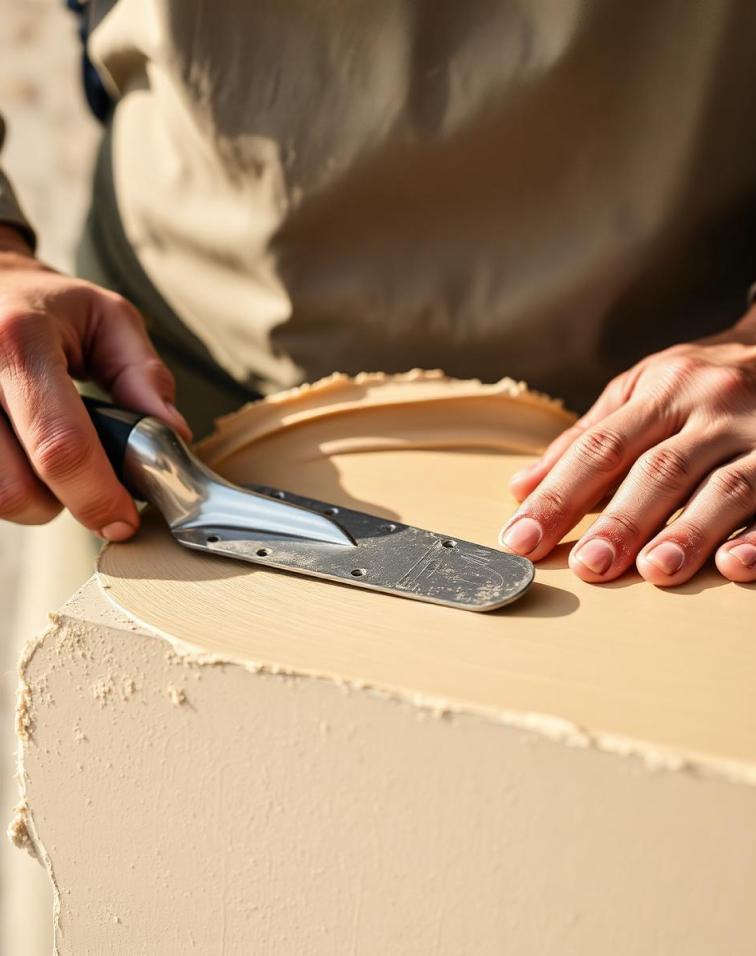
Ensure the surface is clean, structurally sound, dry and free of contaminants. Existing tile joints filled, cracks repaired.
Apply the appropriate Desolid primer (porous, non-porous or wet-area) with a short-nap roller. Allow to cure per data sheet.
For high-movement or wet-area substrates, embed the Desolid alkali-resistant mesh into the first base coat.
Trowel two thin base coats of Desolid Microcement, sanding lightly between coats to level.
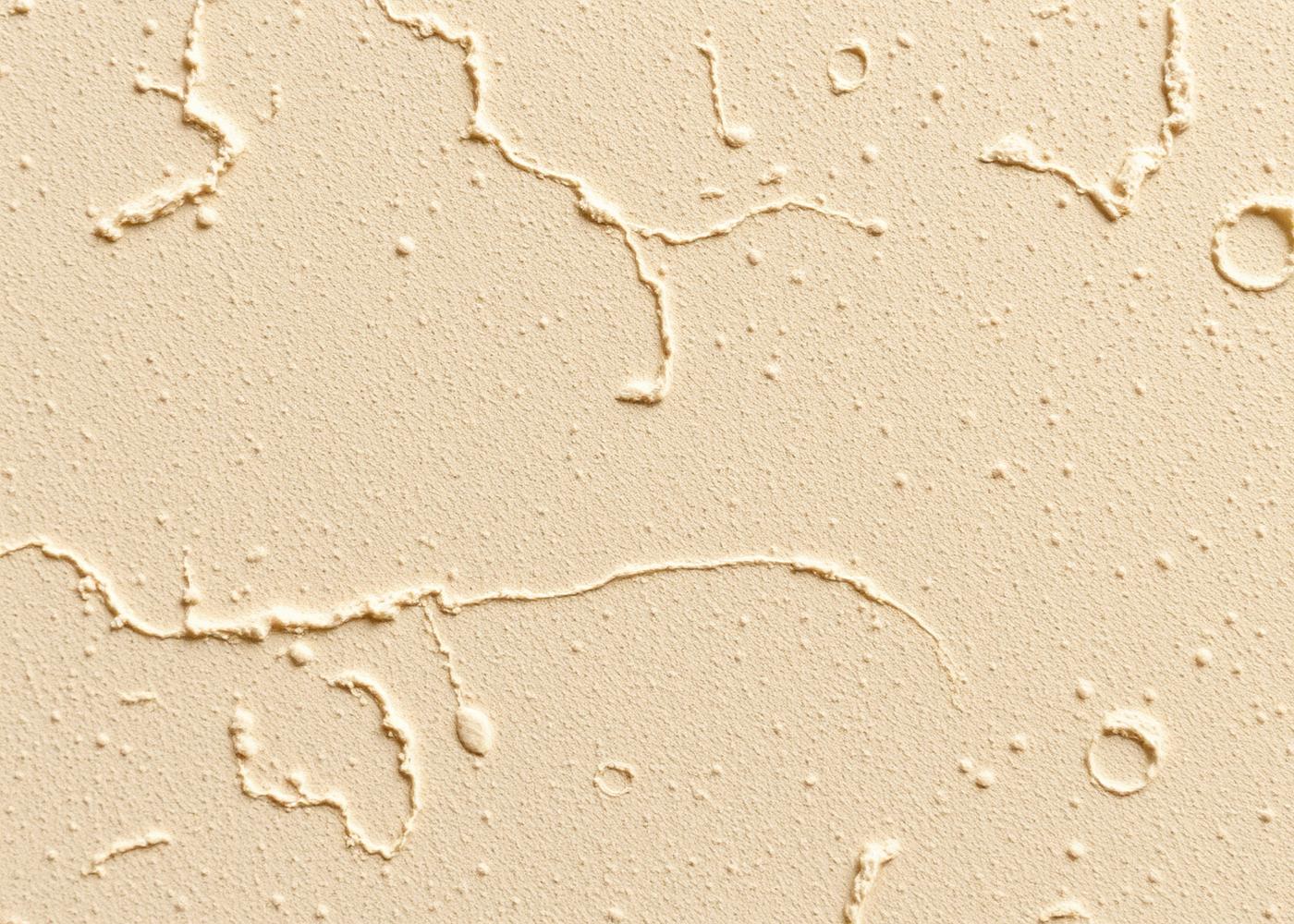
Apply two hand-trowelled finish coats in the chosen colour, working in your final trowel pattern.
After 24hrs, apply two coats of the Desolid PU sealer (matte, satin or gloss). Full cure at 48hrs.
Can't find your answer? Our team replies within one business day.
For warranted commercial work, yes. For DIY and small residential jobs, our detailed guides and video series are sufficient for experienced renderers.
Steel trowel, plastic float, mixing paddle, primer roller, orbital sander with fine grit, and a sealer applicator.
Water clean-up while wet. Once cured, mechanical removal only — so wash tools immediately.
Optimal application is between 10–30°C. Below 5°C the cure slows dramatically — we don’t recommend it.